Templates & compliance
WhatsApp Message Templates: A Practical Guide to Creating Useful, Approved Messages
Learn when WhatsApp message templates are needed, how to write useful marketing, utility, and authentication messages, and how buttons improve the customer journey.
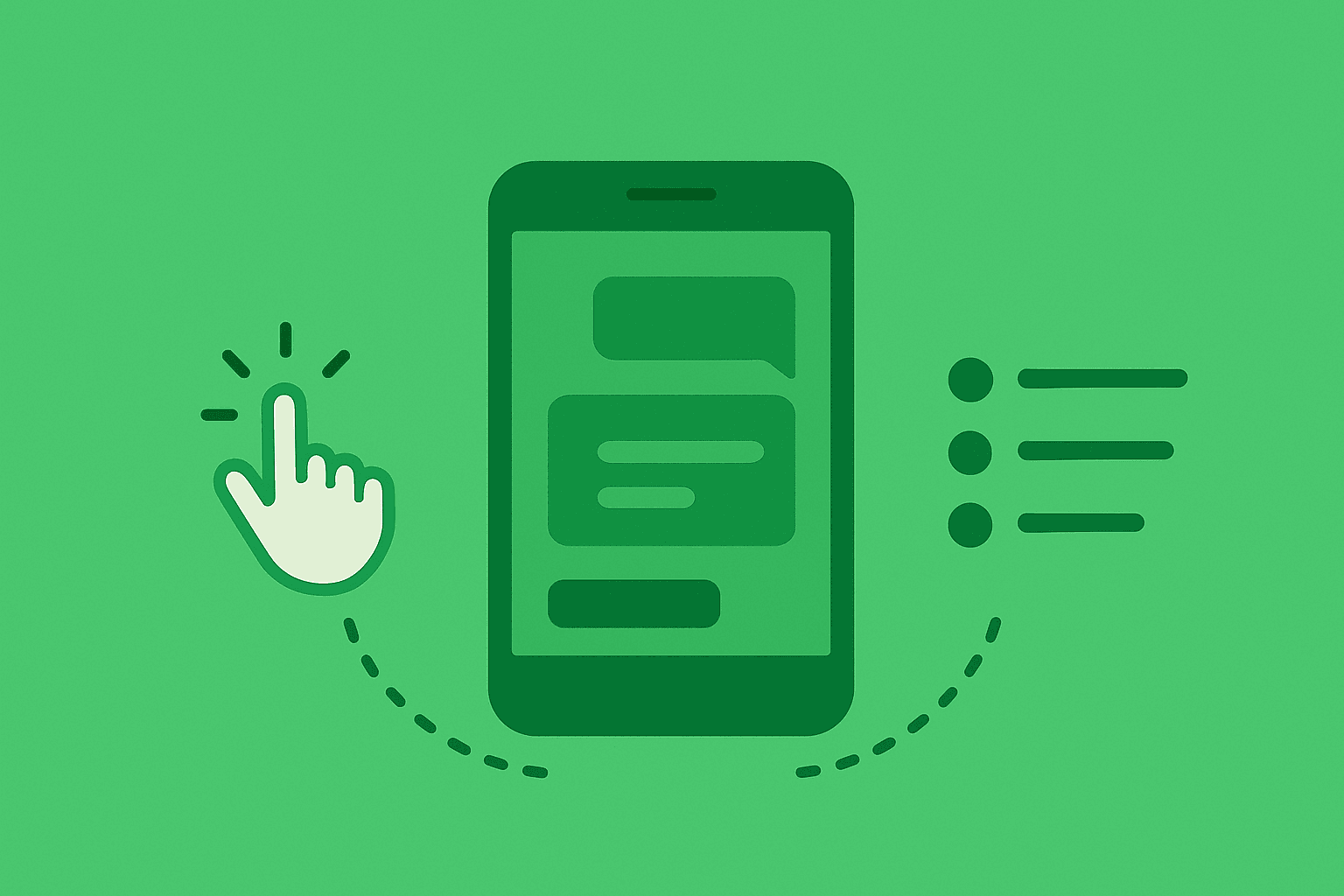
WhatsApp message templates are pre-approved message formats used when a business needs to start or resume a conversation outside the customer-service window. The goal is not to make messages sound formal. It is to make the next customer action unmistakably clear: track an order, confirm an appointment, use a code, or continue a conversation they asked for.
Start with the customer moment, not the template category
Before writing, name the real event that triggers the message. “Order dispatched”, “appointment reminder”, “back-in-stock alert”, and “verification code” are specific moments. “Engagement campaign” is not. Specific moments lead to clearer consent, better segmentation, and a useful message for the recipient.
Choose the right message purpose
- Utility: operational updates a customer expects, such as order confirmation, delivery status, payment receipt, or appointment reminders.
- Marketing: offers, launches, recommendations, and invitations. Send only to people who have consented to receive this type of message.
- Authentication: one-time passcodes or account-verification flows. Keep these short and never put sensitive data in the message.
Write a template customers can act on
- Lead with context. Identify the business and the order, booking, or request the message relates to.
- State one outcome. Avoid combining a receipt, promotion, and feedback request in one message.
- Use variables carefully. Every placeholder should make the message more useful—such as a first name, order number, or appointment time.
- Add an appropriate button. Use a quick reply for a simple decision, a link for tracking or payment, a phone button for urgent assistance, or a copy-code button for an offer or authentication code.
- Test the fallback. A button should lead to a working destination and a human handoff should exist when automation cannot help.
Three reusable patterns
Delivery update: “Hi {{1}}, your order {{2}} is on its way. Track the latest status below.” Add a Track order link button and Need help quick reply.
Appointment reminder: “Reminder: your {{1}} is scheduled for {{2}}. Would you like to keep this time?” Use Confirm, Reschedule, and Cancel quick replies.
Offer recovery: “You asked us to save {{1}} for later. Your selected item is still available.” Add one clear View item button; do not imply stock, urgency, or a discount unless it is true.
A pre-submit checklist
- The recipient has consented to this message purpose.
- The variables make sense for every recipient.
- The claim, price, availability, and destination are current.
- The CTA works on mobile and does not require the customer to guess what happens next.
- Your team knows who owns replies and exceptions.
Use our template library as a starting point, then adapt the wording to the real workflow your customer has chosen. That is how a template becomes a helpful conversation rather than another broadcast.
Frequently asked questions
Do all WhatsApp business messages need a template?
Template requirements depend on the conversation context and current platform rules. Review the current WhatsApp Business Platform guidance before sending.
Which button should I use?
Use quick replies for a small choice, a link button for a specific web destination, a phone button for a call, and a copy-code button when a code is the next step.
Have Questions?
If you want to learn more about the WhatsApp API or how WACM.in can help your business, we're here to chat.
Contact Our Experts